Custom T-Shirt Manufacturing Guide: What Brands Should Specify Before Sampling
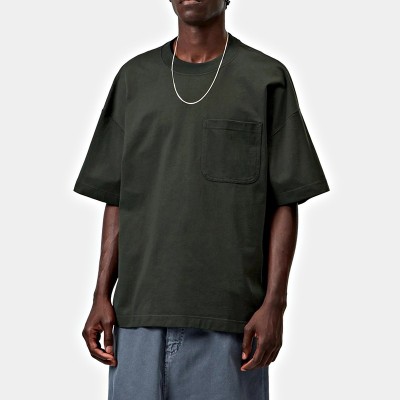
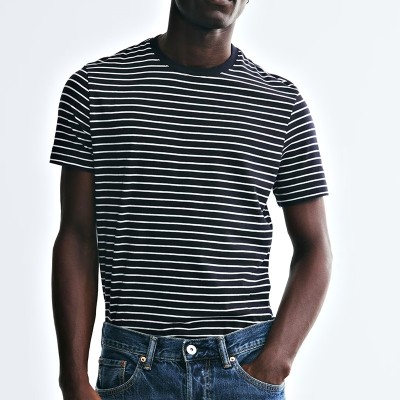
Before sampling a custom T-shirt, define the fabric composition and weight, silhouette, base measurements, neckline construction, colorways, decoration method, artwork placement, size range, labels and packaging. A reference image can show the design direction, but it usually does not give a manufacturer enough information to evaluate fit, fabric, decoration, MOQ and quotation accurately.
“180 GSM cotton, oversized, logo on chest” sounds like a fairly complete T-shirt brief. On a sample-room table, it still leaves a surprising number of questions unanswered.
What type of cotton fabric? How wide should “oversized” actually be? How large is the logo? Where exactly does it sit? What neck opening and rib width does the brand want? Does the sample need to represent the intended bulk fabric?
Those details are what turn a general product idea into something a T-shirt manufacturer can sample, measure and quote with fewer assumptions.
What Should You Specify Before Sampling a Custom T-Shirt?
A useful T-shirt development brief should define the product from several angles rather than relying on one reference photo or a few descriptive words.
| Development Area | What the Brand Should Define |
|---|---|
| Product Direction | Target wearer, intended use, fit and silhouette |
| Fabric | Composition, knit construction, GSM or weight direction, finish and hand feel |
| Fit | Base size, chest, length, shoulder, sleeve and other relevant measurements |
| Neckline | Neck opening, rib width, rib construction and intended appearance |
| Color | Garment colorways and artwork color requirements |
| Decoration | Printing, embroidery or another confirmed method, including size and placement |
| Sizing | Size range, base sample size and grading direction where available |
| Branding | Main label, size label, care/content label and hangtag requirements |
| Packaging | Bag, folding, stickers, barcode and pack-out requirements where relevant |
Start With the Product and Target Wearer
Before choosing fabric or sending artwork, define what kind of T-shirt the collection actually needs.
The product direction may include:
- Men's, women's or unisex
- Regular, slim, relaxed, oversized or boxy fit
- Everyday basic T-shirt
- Structured heavyweight fashion T-shirt
- Promotional or event T-shirt
- Fashion or lifestyle collection
- Performance-inspired or other project-specific use
These decisions influence the fabric, measurements, neckline, decoration and even the way the manufacturer interprets the reference image.
A brand sends one reference image and asks for an “oversized 100% cotton T-shirt.”
Before making the pattern, the manufacturer still needs to know whether “oversized” means a wider boxy body, longer streetwear proportions, dropped shoulders, larger sleeves or simply more ease than a regular-fit T-shirt.
“Oversized” tells the pattern maker the direction. Measurements tell the pattern maker what to make.
Choose the Fabric Before Chasing a GSM Number
Fabric weight matters, but a GSM number alone does not describe a T-shirt fabric well enough for development.
GSM means grams per square meter and describes fabric mass per unit area. It does not by itself tell you whether the fabric will feel soft, dry, structured, fluid, smooth or suitable for the intended silhouette.
A fuller fabric brief may need to cover:
- Fiber composition
- Knit construction
- GSM or weight direction
- Surface finish
- Inside finish where relevant
- Hand feel
- Drape or structure
- Color
- Wash behavior
Practical rule: Two T-shirt fabrics can have the same GSM and still produce very different silhouettes and hand feels. Approve the fabric, not just the number.
Fiber Composition Is Only One Part of the Fabric Decision
A specification such as “100% cotton” still leaves several product questions open.
Cotton fabrics can differ in yarn, knit structure, weight, finishing, surface appearance and hand feel. Blended fabrics can also behave differently depending on their construction and intended use.
This is why a useful custom T-shirt fabric request combines composition with physical characteristics rather than relying on fiber content alone.
Define Fit With Measurements, Not Just Style Words
Terms such as slim, regular, relaxed, oversized and boxy are useful for describing the design direction. They are not substitutes for a measurement specification.
Depending on the design, important T-shirt measurements may include:
- Chest width
- Body length
- Shoulder width
- Shoulder drop
- Sleeve length
- Sleeve opening
- Bottom opening
- Neck opening
The exact points of measure should follow the actual garment design rather than a generic T-shirt template.
The Neckline Can Change the Whole T-Shirt
A T-shirt can have the correct body width and length and still look wrong if the neckline is not proportioned correctly.
Neckline development can involve:
- Neck opening width
- Front neck drop
- Back neck shape
- Rib width
- Rib construction
- Rib stretch and recovery
- Attachment and finishing
A narrow neck rib on a structured boxy T-shirt creates a very different visual result from a wider rib on the same body pattern.
Sample-room lesson: Body measurements can be correct while the garment still feels visually wrong. Neck opening and rib proportion are two details worth checking separately.
Decide Printing or Embroidery Before Sampling
Decoration should be part of the product brief rather than an instruction added after the sample has already been developed.
Printing, embroidery or another confirmed decoration method can interact differently with fabric weight, surface, stretch and finishing.
Useful artwork information includes:
- Production-ready artwork
- Finished artwork width and height
- Placement measurements
- Artwork colors
- Intended decoration method
- Garment colorway relationship
Where practical, the decoration should be reviewed on the intended or representative fabric before bulk production.
A Logo File Is Not a Print Specification
Sending an AI, PDF or other artwork file solves only one part of the decoration question.
A manufacturer still needs to know how large the artwork should be and where it belongs on the actual garment.
Instead of writing only:
“Logo on center chest”
specify measurable information such as:
- Artwork width
- Artwork height
- Distance from neckline
- Centered or offset position
- Reference to center front or another construction point
“Center chest” describes a location. It is not yet a production measurement.
Decide the Colorways Before Requesting the Final Quote
The total order quantity does not tell the manufacturer how the order is divided.
One style in one color creates a different sourcing and production situation from the same total quantity divided across several custom colors.
When requesting a T-shirt quote, provide the quantity by style and color rather than only the overall quantity.
What Should Be Checked on the First T-Shirt Sample?
The first sample is useful because it turns specifications into something the buyer can physically measure and evaluate.
| Review Area | What to Check |
|---|---|
| Fit | Body width, garment length, shoulder balance, sleeve shape and overall silhouette |
| Measurements | Compare key points of measure with the approved specification |
| Fabric | Weight, hand feel, surface, drape and whether the sample represents the intended bulk fabric |
| Neckline | Shape, opening, rib width, recovery and visual proportion |
| Decoration | Artwork size, placement, surface appearance and compatibility with the fabric |
| Construction | Seams, stitching, hems and workmanship |
| Labels | Correct label type, placement and attachment where included in the sample |
| Wash Behavior | Shrinkage, twisting, neckline behavior, surface and decoration where testing is part of the project |
T-Shirt Sample and Wash-Test Checklist
When wash evaluation is part of the project, compare the garment against the agreed test method and product requirements rather than relying on a generic shrinkage assumption.
Labels and Packaging Should Be Defined Before Bulk Production
Private-label details are part of the product, even if they do not change the T-shirt pattern.
Buyers may need to confirm:
- Main brand label
- Size label
- Care/content label
- Hangtag
- Barcode or SKU sticker
- Individual packaging
- Folding method
- Carton or pack-out requirements
Any destination-market labeling requirements should be confirmed for the market where the garments will actually be sold rather than assumed from another order.
What Should You Send for a Custom T-Shirt Quote?
A useful quote request gives the manufacturer enough information to price the intended product rather than an assumed version of it.
What Should Brands Know About T-Shirt MOQ?
MOQ should be checked against the actual product specification because fabric, colorways, decoration, labels and other custom elements can affect the production setup.
MinCharm's standard MOQ is 1,000 pieces per style per color. This is MinCharm's production baseline rather than a universal apparel-industry MOQ. The exact project still needs to be reviewed before quotation.
How Long Does T-Shirt Sample Development Take?
Sampling time depends on how clear the specification is, whether the fabric and branding components are available, and how much development work the style requires.
At MinCharm, sample development typically takes around 7–10 days once the necessary product information and development conditions are sufficiently confirmed. Fabric availability, customization, decoration and revision requirements can change the actual timeline.
Common Custom T-Shirt Development Mistakes
Final Takeaway
A good custom T-shirt brief should make fewer things dependent on guesswork.
Fabric composition, construction and weight should be considered together. Fit words such as “oversized” should be translated into measurements. Artwork needs dimensions and placement. The neckline deserves its own review rather than being treated as a small finishing detail.
Not every specification needs to be final before the first supplier conversation, but the manufacturer should know which decisions are fixed, which are still being developed and which may affect sampling, MOQ or quotation.
The clearer those decisions become before sampling, the more useful the first sample becomes as a step toward repeatable bulk production.
Frequently Asked Questions
What GSM is good for a T-shirt?
There is no single GSM that is best for every T-shirt. Fabric weight should be considered together with composition, knit construction, finishing, target climate, hand feel and intended silhouette. A physical fabric swatch or sample provides more useful information than the GSM number alone.
What information does a T-shirt manufacturer need for a quote?
Provide the style, fit direction, fabric requirement, colors, size range, quantity per style and color, artwork, decoration, labels, packaging and target timeline. A Tech Pack or physical reference can provide additional detail where available.
What artwork files are needed for custom T-shirt printing?
The manufacturer normally needs production-ready artwork plus the intended dimensions, placement and color information. The preferred file format depends on the specific decoration process, so confirm the required format before preparing final files.
How do I specify an oversized T-shirt?
Use “oversized” to describe the design direction, then define it with measurable points such as chest width, body length, shoulder width or drop, sleeve length and sleeve opening. A reference garment can also help communicate the intended proportion.
Should printing or embroidery be checked on the first sample?
Where practical, yes. Reviewing decoration on the intended or representative fabric helps confirm artwork size, placement and physical appearance before bulk production.