
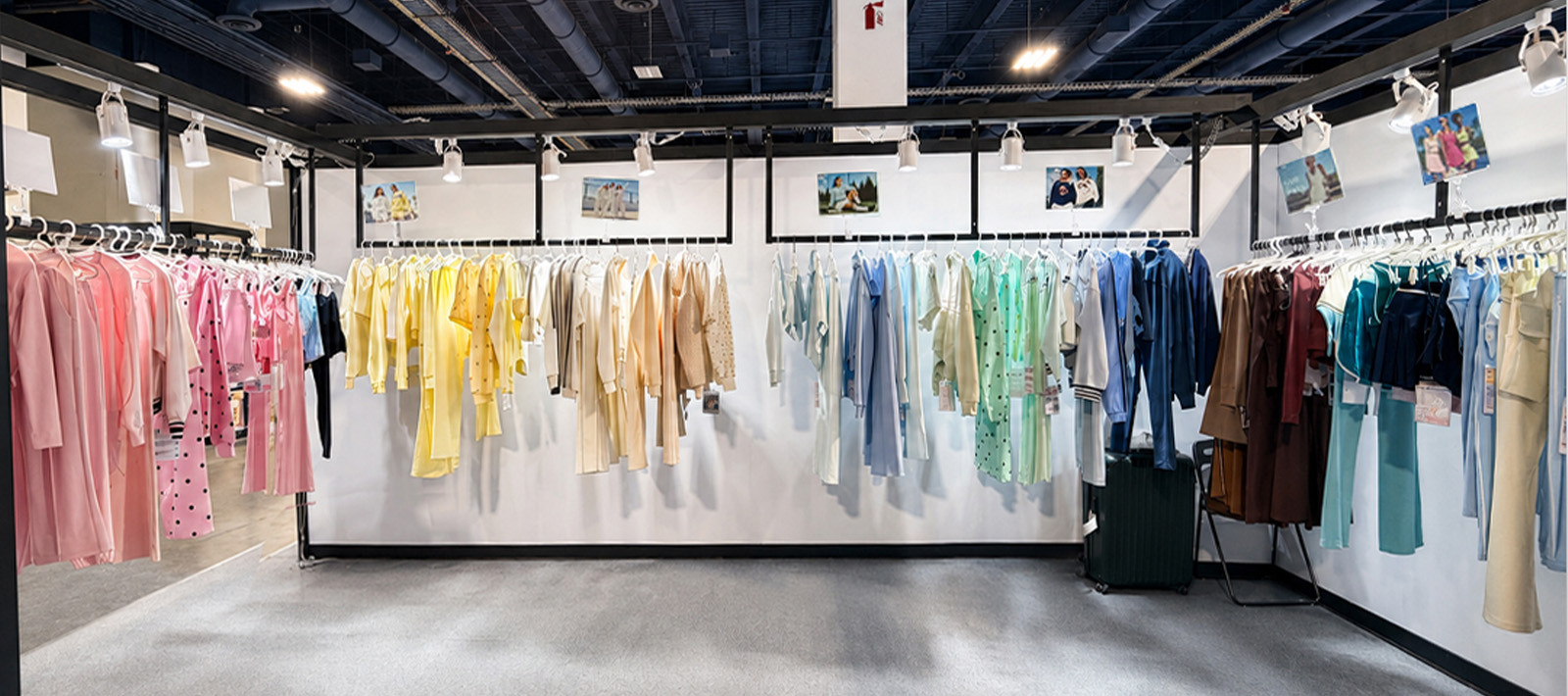
Have a reference image, existing sample or product direction, but still need to work through materials, construction or fit? MinCharm helps develop those details through sampling and refinement before the approved style moves into bulk production.
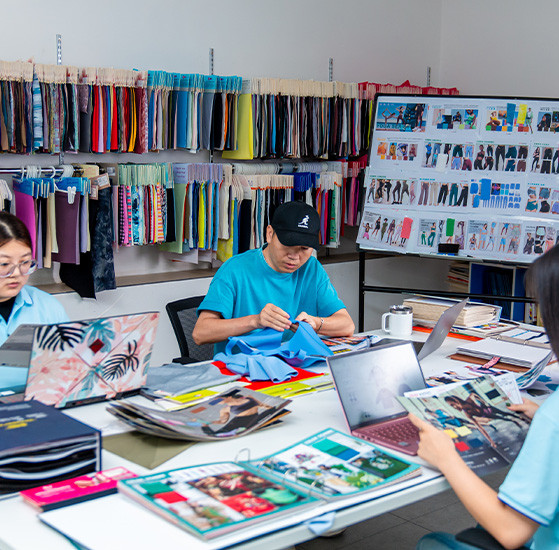
You Don’t Need a Finished Tech Pack to Start
ODM projects often begin before every product detail has been decided. You may already know the category, general fit, fabric direction or look you want, but still need to work through the technical details before sampling.
We review what you already have and identify the decisions that still need to be made before the first sample is developed.
Useful for showing silhouette, styling direction and specific details.
Basic sketches can provide a starting point even when technical details are incomplete.
An existing garment can be used as a reference and adjusted where required.
Category, fit direction, materials, branding and target quantity can help define the project.
Turning a Product Direction Into Clear Manufacturing Details
Before a garment can be reproduced in bulk, the details that affect materials, fit, construction and branding need to be clear enough for sampling and production.
Fabric & Handfeel
Composition, weight, stretch, surface feel and intended use are considered when reviewing fabric options.
Fit & Silhouette
The intended shape, proportions and measurement direction are worked through before the style is finalized.
Garment Construction
Necklines, cuffs, waistbands, pockets, panels, seams and other construction details are reviewed for the product.
Color & Trims
Colors, rib, zippers, drawcords, buttons and other trim details can be selected according to the product direction.
Branding
Printing, embroidery, main labels, care labels, size labels and hangtags can be developed around the approved product.
Packaging
Folding, polybags, barcode labels, carton marks and other packaging requirements can be confirmed before production.
A Sample Also Needs to Make Sense in Bulk Production
A garment may work as a single sample but still be difficult or unnecessarily expensive to reproduce in volume. During development, we also consider the practical side of manufacturing.
This helps identify material or construction choices that may affect sourcing, repeatability, lead time or production cost before the style reaches bulk production.
Can the required fabric and trims be sourced consistently for the intended quantity?
Can the garment structure and details be reproduced efficiently in production?
Can the approved result be followed consistently across a larger production run?
How do materials, construction and customization choices affect the production quotation?
Build, Review and Refine the Product Before Production
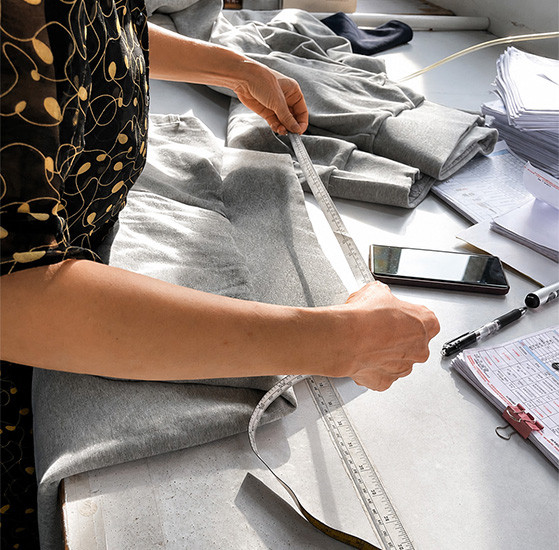
The first sample gives both sides something physical to review. Depending on the product, measurements, fit, materials, construction or branding details may need adjustment before the final sample is approved.
Not every style is finalized in one sampling round. The amount of refinement depends on how complete the original product direction is and how complex the style is.
Confirm Development Direction
Review the reference, product brief and key requirements.
Review Materials & Construction
Confirm the main fabric, trims and garment structure for sampling.
Make the First Sample
Turn the agreed development direction into a physical garment.
Review Fit & Details
Check measurements, fit, appearance and product details.
Refine Where Needed
Adjust confirmed issues before the final sample is approved.
Product Development Should Match the Intended Order Size and Cost
Our standard MOQ is 1,000 pieces per style and color. For ODM projects, material, construction and customization choices can be reviewed with the intended production quantity in mind. This helps avoid developing a sample that becomes impractical or unnecessarily expensive when produced in volume.
Material Planning at Volume
Fabric and trim choices can be considered against sourcing availability and the expected production quantity.
Construction Cost Awareness
Construction choices can affect sewing time, production complexity and the final unit quotation.
Branding Options at Scale
Printing, embroidery, labels and packaging can be reviewed with both brand requirements and production volume in mind.
Repeat Production Capacity
Our manufacturing setup is designed primarily for volume and repeat orders rather than very small trial quantities.
Once the Product Is Approved, Development Moves Into Production
After the sample and key specifications are approved, materials and production requirements are confirmed before the style moves into bulk manufacturing.
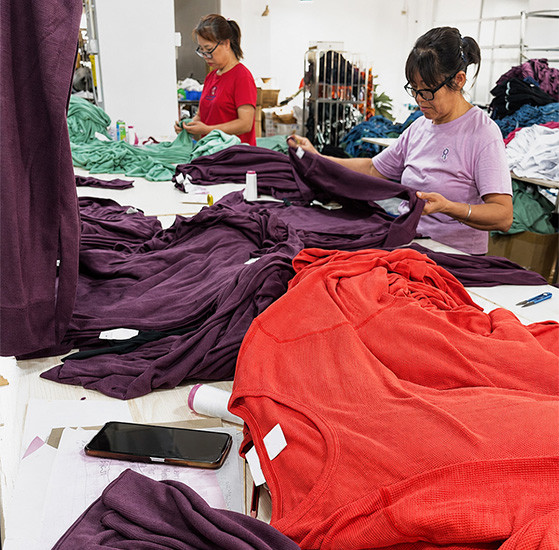
The approved sample becomes an important reference for measurements, construction, appearance, branding and other confirmed details throughout production.
The Approved Sample Becomes the Production Reference
Once product development is complete, quality control is based on the details that have been confirmed. Production is checked against the approved sample and product specifications.
Product Development Connected to Real Production Capacity
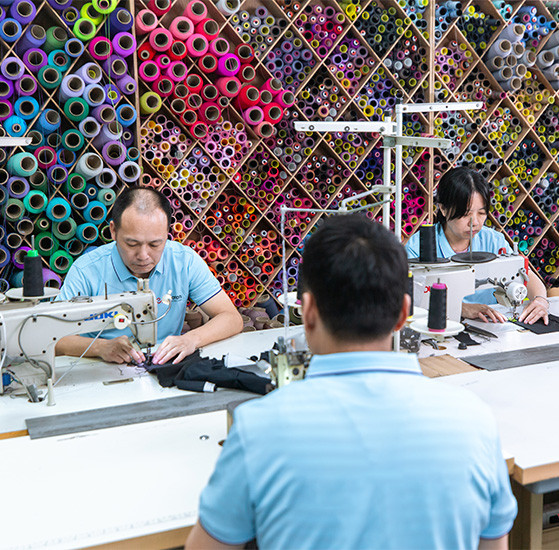
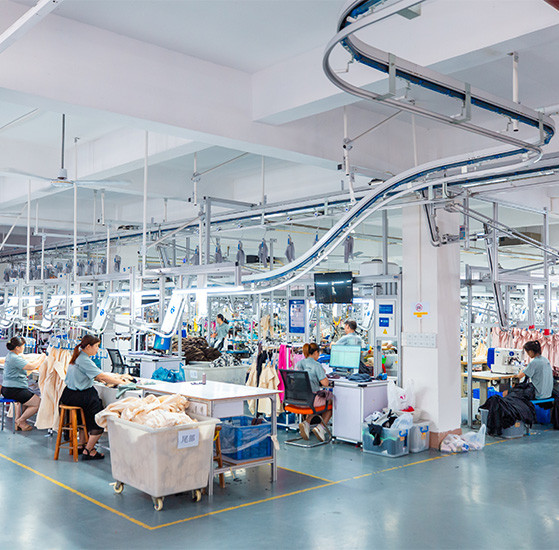
Product development is connected directly with sampling and manufacturing rather than handled as a separate design-only service. Our own factory in Dongguan supports core apparel development and production, with specialized manufacturing partners used when additional processes or capabilities are required.
Common Questions About ODM Apparel Development
These are some of the questions buyers usually need answered before starting product development and sampling.
OEM is generally better suited to projects where the product specifications are already clearly defined. ODM is more suitable when the product direction is known but materials, construction, fit or other development details still need to be worked through before production.
No. ODM development can start from reference images, sketches, an existing sample or a clear product brief. The amount of development required depends on how much information is already available.
Yes. Reference images can help explain the intended silhouette, styling direction or specific details. Materials, construction and other technical requirements still need to be reviewed before sampling.
Yes. An existing garment can be used as a development reference, and changes to fit, materials, construction or branding can be reviewed based on the requirements of the new product.
There is no fixed number for every product. Some styles require limited adjustment, while more complex developments may need additional revisions before the final sample is approved.
Typical sampling takes 7–10 days. Special fabrics, trims, complex construction or additional revisions may extend the development time.
Our standard MOQ is 1,000 pieces per style and color. Development decisions can therefore be reviewed with volume manufacturing and unit-cost efficiency in mind.
Yes. Fabric composition, weight, handfeel, color and trims can be reviewed according to the product direction, sourcing availability and intended production requirements.
Yes. Labels, hangtags, printing, embroidery and packaging can be developed and confirmed as part of the product before bulk production.
After approval, materials and production requirements are confirmed before bulk manufacturing begins. The approved sample and specifications remain important references during production and quality inspection.
Send us your reference images, sketches, existing sample or product brief, together with the target quantity and any fabric, fit or branding requirements you already know. We can review what still needs to be developed before sampling begins.
Discuss Your Product Idea