How to Plan a 1,000-Piece Custom Loungewear Order
A loungewear manufacturer plans a custom loungewear order by structure, not one big number. Split styles, colors and sizes before you quote, then lock fabric booking and sample gates so bulk stays predictable. Ask the factory to show the dye-lot math behind the loungewear MOQ — that is where unit cost is won or lost. A low price loungewear manufacturer earns that price from factory-direct structure, not from cutting the material standard.
- Split before you quote: styles × colors × sizes sets the real minimum, not the headline figure.
- Lock each gate: proto, golden sample, PP sample, then bulk — each stage has a quantity.
- Reorder as a continuation: same fabric, same sealed sample, predictable price.
Bottom line: a low price loungewear manufacturer keeps cost low through factory-direct structure while holding the material standard — the planning is where the saving is made.
- 01Why the Working Baseline Exists
- 02The Order Matrix: Styles × Colors × Sizes
- 03Build a Matrix Your Loungewear Manufacturer Can Actually Produce
- 04Fabric Booking and Dye-Lot Minimums
- 05From Proto to Bulk: The Quantity Gates
- 06Splitting the First Run Into a Reorder Plan
- 07Where a Factory-Direct Low Price Really Comes From
- 08Sizing Runs Without Broken Curves
- 09The Real Cost of One Extra Colorway
- 10A Planning Worksheet
- 11Why Buyers Plan Their Order with MinCharm, a Loungewear Manufacturer
- 12FAQ
Why the Working Baseline Exists
The standard minimum sounds like a wall, but it is a planning unit, not a punishment. It is set per style, per color — the smallest run at which a mill will dye a dedicated colorway, a cutting room will lay fabric efficiently, and a sewing line will reach stable rhythm. Plan around that unit and the order becomes predictable; ignore it and the same order quietly collects setup premiums you never see itemized.
This guide is the planning companion to our cost and quoting articles. Those explain what is inside the price and how to request it accurately. This one explains how to arrange the order so the loungewear MOQ works in your favour — before a single yard of fabric is booked.
The Order Matrix: Styles × Colors × Sizes
The first planning move is to stop thinking in a single total and start thinking in a matrix. Your order is not one round number; it is a set of style-color combinations, each carrying its own minimum, and a size curve inside each one. Write it down as rows before you ask for a price.
Each row below is a separate run with its own dye lot and its own minimum. The total is only meaningful once every row clears the baseline.
| # | Decision | What it fixes | Planning rule |
|---|---|---|---|
| 1 | Style | Pattern, construction, trim | Each style = its own cutting layout and marker. |
| 2 | Colorway | Dye lot, fabric booking | Custom-dyed: each color has its own minimum; in-stock fabric: set by cutting and sewing quantities. |
| 3 | Size curve | Grade ratios, cutting count | Sizes share one run — do not split them across colors. |
| 4 | Per-color qty | MOQ clearance | Keep each style-color at or above the baseline. |
| 5 | Reorder qty | Repeat-run pricing | Reserve a second quantity on the same fabric. |
Build a Matrix Your Loungewear Manufacturer Can Actually Produce
A matrix only works if the factory can produce it. A loungewear manufacturer with real own capacity will tell you which combinations run efficiently and which quietly inflate cost. Send your matrix and ask four questions:
- Fabric route: does this color need custom dyeing, or can you use in-stock fabric from the supplier? Stock fabric needs no dye lot, so the minimum and the cost structure are different.
- Dye lots: if dyeing is needed, can these colors be run in one lot, or does each open its own?
- Markers: can the size curves be consolidated into one cutting layout?
- Fabric: which styles can share the same base cloth and booking?
The answers reshape the plan without changing the product. Consolidation is the lever most buyers miss: two styles in the same fabric and color can share a booking, lowering the effective minimum per style, while two colors on the same style cannot. A factory that walks you through this is protecting your custom loungewear order from paying twice for the same setup.
Fabric Booking and Dye-Lot Minimums
The minimum first depends on which fabric route you take. Separate the two paths before you talk numbers:
- Custom-dyed fabric: greige cloth dyed to your own shade in a dedicated lot. The mill sets a minimum dye-lot floor, below which it charges a setup premium. The dye-lot floor and per-color minimum discussed here all refer to this route — the right choice when your brand owns a signature color.
- In-stock supplier fabric: ready-dyed cloth already held in the mill's or supplier's warehouse in fixed catalog shades, cut and sewn directly. No dyeing is needed, so there is no dye-lot setup premium; the minimum is set by cutting and sewing efficiency, usually far lower than custom dyeing. The trade-off: colors are limited to the supplier's shade card, and stock is finite and allocated first-come, first-served.
If you take the custom-dye route, three things decide where that floor sits:
- Composition: different fibers have different mill minimums and dye behavior.
- Shade: a custom-matched color always carries its own lot; switching to in-stock supplier fabric removes the dye-lot constraint altogether.
- Volume: the premium is almost fixed, so it is diluted as the run grows — which is why a fuller run is the cheaper decision.
Ask the factory to state the dye-lot floor for your exact spec — or, if you use stock fabric, to confirm that no dyeing is involved — and show it as a separate line. Moving to in-stock fabric where your brand allows is a legitimate way to lower the minimum. The wrong way to hit a number is to keep the custom shade but quietly reduce GSM — that is a quality cut disguised as a saving.
From Proto to Bulk: The Quantity Gates
An order moves through quantity gates, and each gate has a purpose. Skipping one does not save time; it moves the risk into bulk, where it costs far more to fix. Budget each stage as its own step:
- Proto sample (1–2 pcs): proves the pattern and construction. Confirm silhouette, composition and GSM here.
- Golden sample (1–2 pcs): the sealed written acceptance baseline. Every bulk piece is measured against it.
- Pre-production sample (a few pcs): confirms the bulk fabric and trim before the line cuts. MinCharm standard sampling is 7–10 days.
- Bulk run (minimum per style-color): produced to the sealed sample with AQL 2.5 plus full inspection before shipment.
Each gate should end in a written sign-off tied to a sample ID. That is what lets the quantity scale without the spec drifting — the plan is only as stable as the reference it is pinned to.
Splitting the First Run Into a Reorder Plan
The smartest use of the baseline is to plan the second run before the first ships. Treat your opening order as a controlled first run, not a one-off bet. Four decisions make that work:
- Lock the inputs now: fabric, golden sample and FOB terms, so the repeat is a continuation, not a new project.
- Reserve the cloth: hold a second quantity on the same booking while the mill still has the dye lot.
- Start in one color: a single colorway that clears the minimum keeps the opening commitment small.
- Add color on the repeat: bring in a second colorway once you have sell-through data to justify its own lot.
The buyer who plans the next run before cutting the first is the buyer who never pays the small-lot premium twice. Volume pricing stays available because you are continuing a run, not restarting setup.
Where a Factory-Direct Low Price Really Comes From
A low price loungewear manufacturer is low because of structure, not because of thinner fabric. Three things produce a real factory-direct low price:
- No middleman: owning the factory returns mill and process margins to you instead of a trading layer adding a resale markup.
- Reserved dye lots: a booked lot at sufficient volume avoids the small-run premium that a short run attracts.
- Bulk sourcing and rhythm: bulk fabric buying lowers the input, and a stable line reaches efficient output.
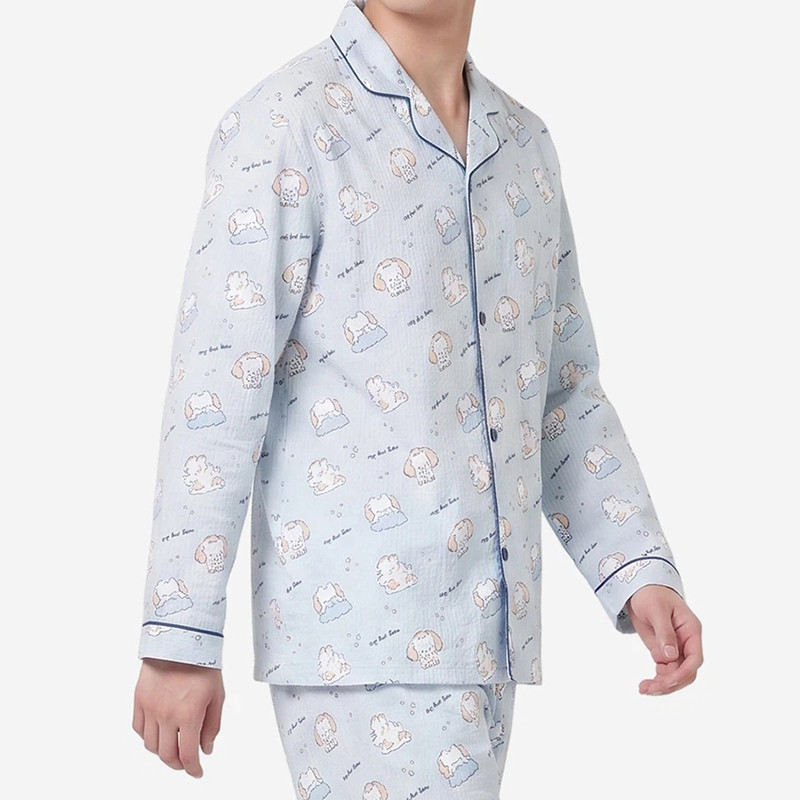
The indicative FOB of US$2 for a piece like our published printed pajama top (this model US$2.40–2.60) reflects that factory-direct pricing, not a resale markup. Low price paired with a named composition, a sealed sample and an itemized breakdown is a saving you can audit. A lower number with no fabric spec, no dye-lot math and no factory identity is a cost deferred to your P.O.
Sizing Runs Without Broken Curves
Within each color run, sizes are not separate minimums — they are a curve cut from one marker. The mistake is over-building the curve. Three rules keep it efficient:
- Weight to real demand: build the curve from your market's size distribution, not from a full ladder by habit.
- Keep full range in sampling: confirm every size on the sample stage, even if bulk favors the core sizes.
- Rebalance freely at bulk: sizes share one run, so adjusting the curve lowers cost without touching fabric or trim.
Those long-tail sizes in a style whose sales concentrate in S–XL consume fabric and cutting time but may sit in inventory, quietly raising your effective cost per piece sold. Confirm the final ratio against the golden sample's grade rules so fit stays consistent.
The Real Cost of One Extra Colorway
Color is the most expensive variable to add casually. One extra colorway on an existing style is not a few more pieces — it reopens the whole setup. Here is what each new color triggers:
- A new dye lot with its own floor and its own premium.
- A fresh fabric booking at that shade, even on the same base cloth.
- A new cutting layout and a separate minimum to clear.
If one color clears the baseline but the second reaches only a fraction of it, that second color pays the small-lot premium on every piece and may fail color-consistency checks across the two lots. Promote a colorway only when you can fund a full run for it; otherwise choose a stock shade sharing the mill's base, or delay that color to the reorder. This is the trade-off a factory-direct partner will lay out in writing, so the decision is a number you can see.
A Planning Worksheet
Turn the whole plan into one sheet you reuse. Fill it before you request quotes, then attach it to the PO so every department works to the same structure:
A worksheet like this converts a round number into six decisions you can verify — and it is the same document your loungewear manufacturer will quote against.
Why Buyers Plan Their Order with MinCharm, a Loungewear Manufacturer
Planning discipline only pays off with a factory that can hold the plan. MinCharm's numbers are verifiable before the PO:
- Real own capacity: 11,000 ㎡ factory, 200+ workers, up to 600,000 pcs/month — a line that reaches stable rhythm at the minimum and scales on the reorder.
- Low price loungewear manufacturer: as an own-factory manufacturer, not a trading middleman, MinCharm returns mill and process margins to you — the US$2 indicative FOB reflects factory-direct pricing, not a resale markup, so low price comes from structure, not from cutting the material standard.
- MOQ that protects the standard: the per-style/color minimum holds the material acceptance bar and avoids the small-lot premium, so a lower minimum never becomes a higher risk.
- Itemized, sample-locked: fabric, dye lot, decoration and FOB Shenzhen as separate lines, each tied to a sealed golden sample so bulk matches the plan.
- Traceable compliance: OEKO-TEX / BSCI / GRS / ISO 9001 via selected partner factories per project; see the OEKO-TEX STANDARD 100 scope.
- Predictable terms: FOB Shenzhen, 50% deposit / balance before shipment, 7–10 day sampling, 25–35 day bulk.
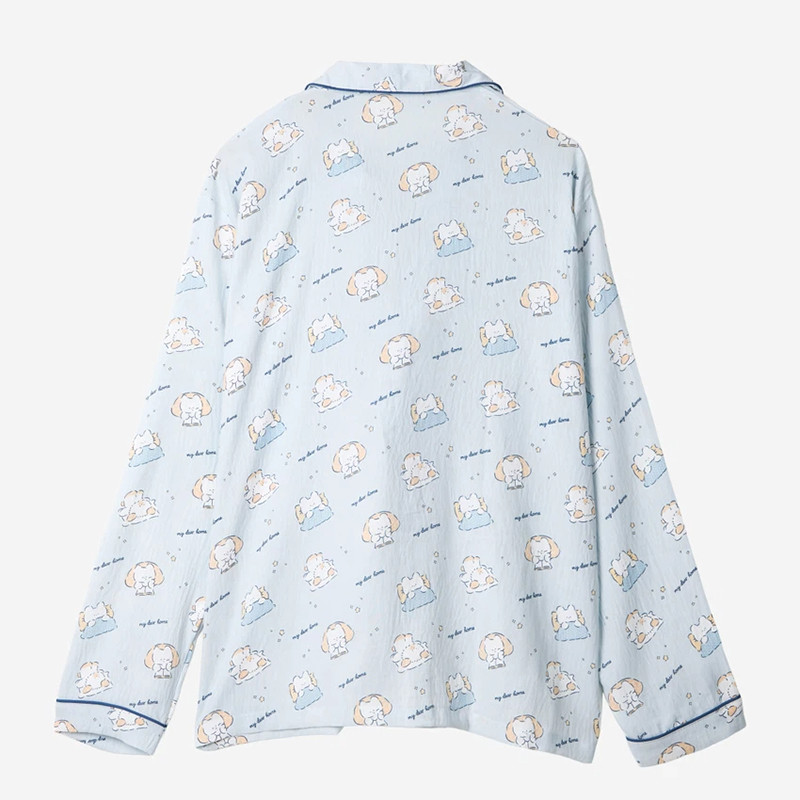
To check these numbers against a real product line, start from our Custom Loungewear Manufacturer service page.
About MinCharm's Loungewear Production Line
MinCharm has developed and manufactured apparel in Dongguan (Guangdong) since 2014, with its own factory plus a Specialized Manufacturing Network for collaborative capacity. On loungewear, we execute your Tech Pack to the golden sample, setting fabric composition, GSM, dye lot and size curve to your spec — so the plan you approve is the run you receive.
As a factory-direct loungewear manufacturer with our own Dongguan plant, MinCharm offers low-price custom loungewear built on scale (up to 600,000 pcs/month) and bulk fabric sourcing — low price stays paired with the material standard, never traded away from it.
For buyers building a first run, our Loungewear Sourcing Guide notes: the standard per-style/color minimum holds the material acceptance standard and avoids the small-lot premium — order volume changes production rhythm, not the standard we measure against. Content compiled by the MinCharm content team for brand and sourcing decision reference.
Is the minimum per order or per style and color?
On custom-dyed fabric, per style and per color — two colors of one style are two runs with two dye lots, and two styles in one color are also separate runs. With in-stock supplier fabric that needs no dyeing, that constraint eases considerably. Whichever route you take, ask your loungewear manufacturer to show the style-color matrix before you commit.
Why is a fuller run cheaper per unit than a short one?
On the custom-dye route, fabric is booked and dyed in lots. A dedicated colorway below the mill's dye-lot floor attracts a setup premium that is almost fixed — so it is spread over fewer pieces. At the standard minimum the premium is diluted and the sewing line reaches stable rhythm, lowering unit cost without lowering the material standard. With in-stock fabric that needs no dyeing, there is no such premium, and the minimum is set by cutting and sewing quantities rather than by a dye lot.
Can I split the total across several colors?
On custom-dyed fabric, not below the minimum per color. Splitting one full run into several small colors triggers a dye-lot premium each time and may fail color-consistency checks across lots. Keep the first run in one color that clears the minimum, then add full-color runs on the reorder. With in-stock fabric, splitting across catalog shades no longer triggers a dye-lot premium — but each shade is still bound by the available stock and the cutting-and-sewing minimum.
How do sizes affect the minimum?
Sizes share one run and one marker; they are not separate minimums. You can rebalance the size curve within a run without touching fabric or trim, so weight the curve to your market's real distribution and check it against the golden sample's grade rules.
What are the quantity gates from sample to bulk?
Proto (pattern, 1–2 pcs), then golden sample (sealed acceptance baseline), then pre-production sample (bulk fabric and trim), then bulk (minimum per style-color). Each ends in a written sign-off tied to a sample ID. Skipping a gate moves the risk into bulk, where fixes cost far more.
How long does sampling and bulk take?
MinCharm's standard sampling takes 7–10 days and typical bulk production runs 25–35 days, depending on fabric availability and decoration. Book the sample gates early and reserve the reorder window on the same fabric to keep the second run predictable.
How do I keep the reorder price the same?
Lock fabric composition, GSM, dye lot, golden sample ID, AQL 2.5 + full inspection, and FOB Shenzhen in the first PO, then reference them on the repeat. MinCharm flags any material change before cutting the reorder, so your bulk price stays stable rather than being re-quoted each season.
Can I lower the unit cost without cutting quality?
Yes — plan it, don't cut it. Consolidate styles onto one fabric and dye lot, fit the size curve to real demand, choose a stock shade where your brand allows, and reserve the reorder. Each moves cost through structure. Lowering GSM or dropping a named trim to hit a number is a quality cut, not a saving.
Before your next order, send MinCharm the matrix above — styles, colors, sizes and reorder plan — and let us return an itemized, factory-direct low-price loungewear quote that shows the dye-lot math behind every full run. What you plan is what you receive, reorder after reorder.
Request a QuoteContact: Tel +86 13712870144 | WhatsApp 8613712870144 | Address: No.2 Road of Industrial Zone 12, Dongguan City, Guangdong Province, China