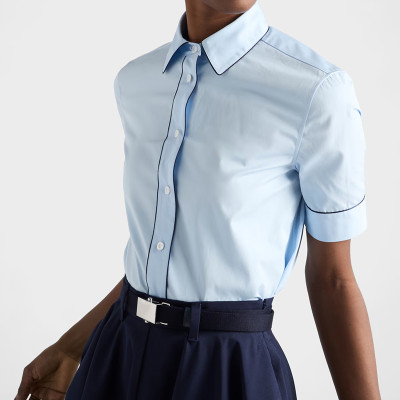
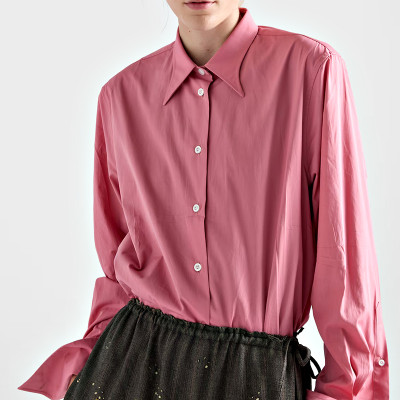
Shared design language
Create consistency through agreed color standards, related silhouettes, compatible trims, aligned finishing, and a common branding system across the collection.

Tops, T-shirts, pants, shorts, hoodies, or sweatshirts should look consistent when worn together, while every style still needs its own fit, measurements, construction, materials, SKU information, and production specifications.
Brands should decide early which products will be sold as complete sets, which will also be sold separately, and which pieces should mix and match across the collection.
Create consistency through agreed color standards, related silhouettes, compatible trims, aligned finishing, and a common branding system across the collection.
Review every garment separately and as a complete outfit. Important relationships may include top length and waistband position, overall ease, shoulder and sleeve proportions, pant rise, leg shape, and shorts length.
The garments do not always need exactly the same fabric. A T-shirt, relaxed top, pant, or short may require a different composition, GSM, stretch, drape, or construction to perform correctly.
Coordinate artwork, labels, hangtags, trims, folding, stickers, and packaging while keeping the exact requirements for each style and sales format clearly recorded.
When different fabrics are used, brands should review whether their colors, textures, finishes, and overall appearance work together. The same color reference can appear different on different fiber compositions or fabric structures.
Applicable swatches, lab dips, print references, or garment samples should therefore be compared and approved rather than assuming that every material will produce an identical result.
Record the fabric, color, measurements, construction, trims, artwork, labels, finishing, and packaging for every individual product.
Review the samples together to check color relationships, proportions, fit balance, branding consistency, and how the pieces mix and match.
Confirm the approved samples, written specifications, artwork, material references, quantities, and packing method before bulk production.
MinCharm’s standard MOQ is 1,000 pieces per style per color. Matching tops, pants, shorts, or other separates may therefore have separate MOQ requirements even when they belong to the same collection.
Custom materials, colors, trims, labels, or packaging may also have supplier-specific minimums and lead times. Confirming the assortment, individual quantities, and set or separate packing method before sampling supports more accurate feasibility review, quotation, and production planning.
Discuss Your Loungewear Collection