How to Choose a Custom Loungewear Manufacturer: A Buyer's Checklist for Brands
SUPPLIER EVALUATION GUIDE
Choosing a custom loungewear manufacturer involves more than comparing price and MOQ. Buyers should evaluate whether the factory has relevant product experience, how it handles development and sampling, what quality controls are used, whether the production capacity fits the order, and how clearly specifications and revisions are communicated before bulk production.
The best supplier is not necessarily the one with the lowest quote. It is the one whose development and production system fits the product you are building, the information you can provide and the way you need to launch it.
1. Define Your Loungewear Collection Before Looking for a Manufacturer
A supplier search becomes much more useful when you know what you are asking a factory to make. “Loungewear” can describe knit pajama sets, jersey basics, fleece separates, robes, modal sleepwear or fashion-led homewear. Those products may need different fabric knowledge, construction methods, fit testing and finishing.
Before contacting a loungewear manufacturer, prepare a short project brief covering:
- Product category and intended customer or sales market
- Target fabric, hand feel, weight or performance requirements
- Price positioning and target quantity
- Size range, colourways and required customisation
- Branding, labels and packaging expectations
- Your desired sample date and launch window
You do not need every answer before the first conversation. You do need enough direction for the manufacturer to judge whether the project is a realistic fit.
2. Check Whether the Factory Actually Fits Your Loungewear Category
Relevant experience should be assessed at the product level. A factory may be a capable clothing manufacturer for brands while still being less suitable for the fabric, construction or finishing needed for your specific loungewear line. For example, jersey lounge sets, brushed fleece and woven sleepwear each raise different questions about handling, measurements and finishing.
“We manufacture clothing” is not enough evidence of category fit. Ask how the factory has handled products close to yours and what it considers the key risk points in development.
Ask for Relevant Product Evidence, Not Just a Factory Introduction
Useful evidence can include comparable samples, close-up construction details, material handling examples, measurement-control records or an explanation of how a similar garment was finished. The aim is not to copy another buyer’s product. It is to understand whether the supplier can discuss the practical issues that matter for yours.
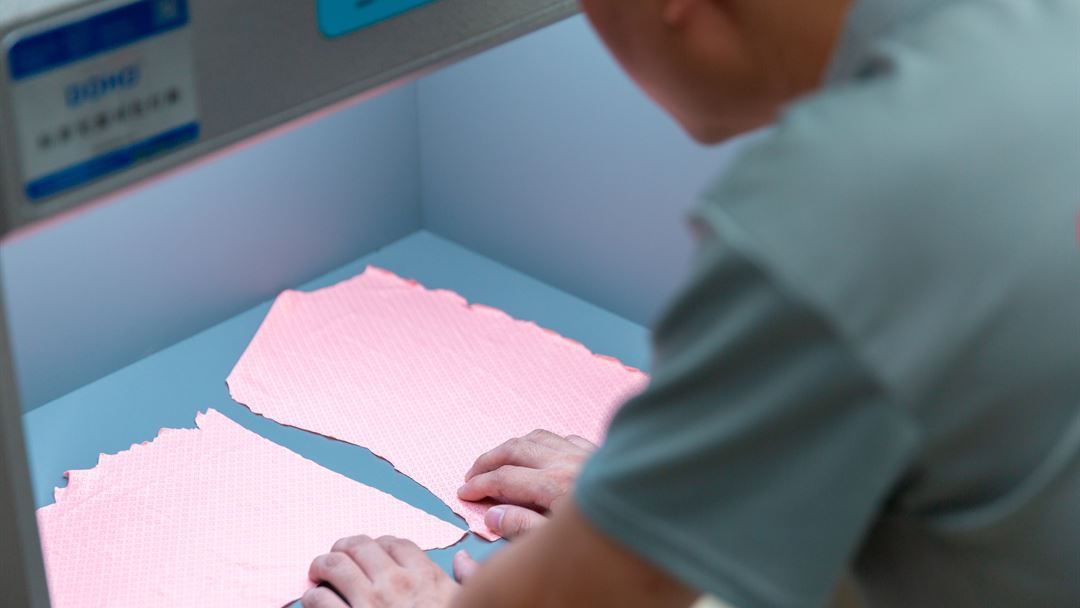
If you are sourcing a custom pajama manufacturer or a loungewear clothing manufacturer, ask specifically about the fabrics, stitch types, fit points and finishes that affect that product category.
3. Decide Whether You Need OEM, ODM or Development Support
The right working model depends on how complete your product information already is. In general, OEM is a better fit when the buyer has a clear specification package and the factory manufactures to it. ODM or development-supported work may be more suitable when the buyer has a concept, reference or early product direction but needs help turning it into a production-ready garment.
Practical rule of thumb: a complete Tech Pack supports a more manufacturing-focused conversation; a reference garment and measurements may require joint development; inspiration photos alone normally need more clarification before accurate sampling can begin.
Read our OEM vs ODM clothing manufacturing guide for a fuller comparison of buyer inputs, manufacturer involvement and the questions to settle before sampling.
4. Understand What the Manufacturer Needs From You
Better supplier communication begins with better inputs. A factory can assess feasibility, sampling work and pricing more accurately when it receives information that is specific enough to interpret.
| Useful buyer input | Why it helps the manufacturer |
|---|---|
| Tech Pack or measurement sheet | Clarifies dimensions, construction and grading expectations. |
| Physical reference garment | Provides a tangible reference for fit, hand feel and workmanship. |
| Fabric swatch or composition target | Helps assess suitable sourcing options and material behaviour. |
| Logo artwork and branding files | Allows the factory to assess placement, decoration method and label needs. |
| Packaging requirement | Prevents late changes to folding, labels, inserts or shipping presentation. |
A photo can be a useful starting point, but it is not normally sufficient by itself for accurate sampling or bulk production. It rarely defines measurements, fabric behaviour, inside construction, logo placement or packaging.
5. Compare MOQ Carefully—Not Just the Number
MOQ is not a universal number for loungewear manufacturing. Ask what the stated MOQ applies to: one style, one colour, one fabric, one size ratio or one decoration method. A low headline MOQ can still become impractical if fabric availability, custom dyeing, printing, embroidery or multiple colourways introduce separate minimums.
For a meaningful comparison, ask each loungewear supplier to explain the assumptions behind its MOQ and quote the same style, material, colours, size range and packaging requirement.
6. Evaluate the Sample Development Process
Sampling is where supplier capability becomes visible. Ask how the factory turns your documents or references into a first sample, how feedback is recorded, what may change between sample stages and what approval is needed before bulk production.
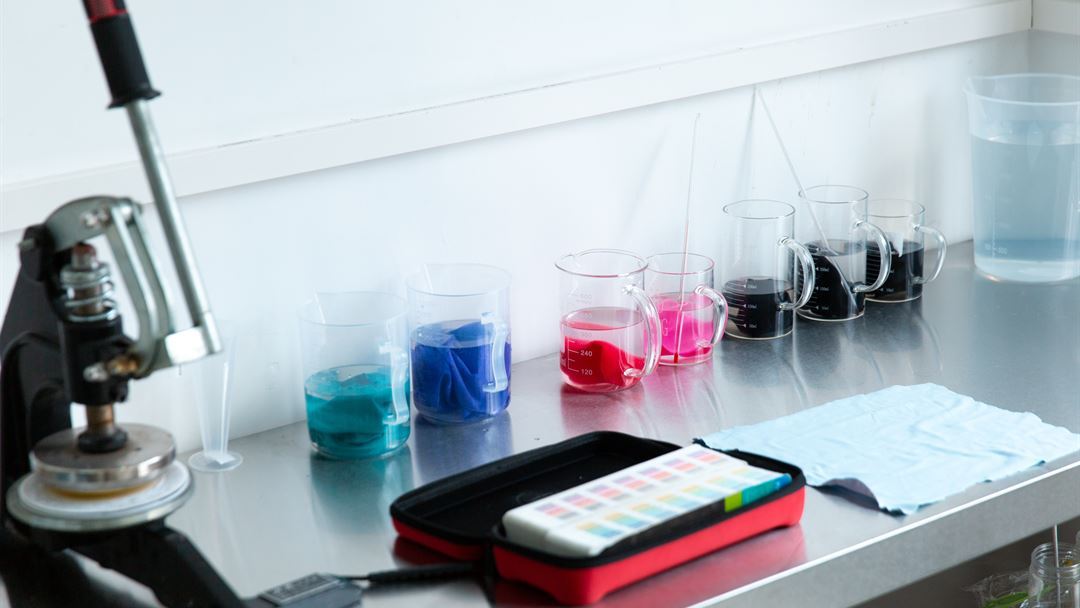
Clarify the expected sequence: first sample, revision sample where needed, approved sample and any pre-production sample or other bulk reference. Agree on how fit, measurements, colour, fabric, artwork and construction comments will be confirmed. A detailed clothing Tech Pack reduces ambiguity in this process, but the sample review still matters.
7. Ask How Quality Is Controlled Before Bulk Shipment
Quality control should be discussed before production, not only after a problem appears. For loungewear, relevant checks may include measurements, workmanship, seam appearance, fabric defects, colour consistency, labels, logo placement, print or embroidery quality and packaging.
Ask the manufacturer which inspection stages it uses, what is checked against the approved sample and whether a defined sampling standard, such as AQL where relevant, is used. The important point is to understand the scope: what is inspected, when it is inspected, who records the result and how nonconformities are handled.
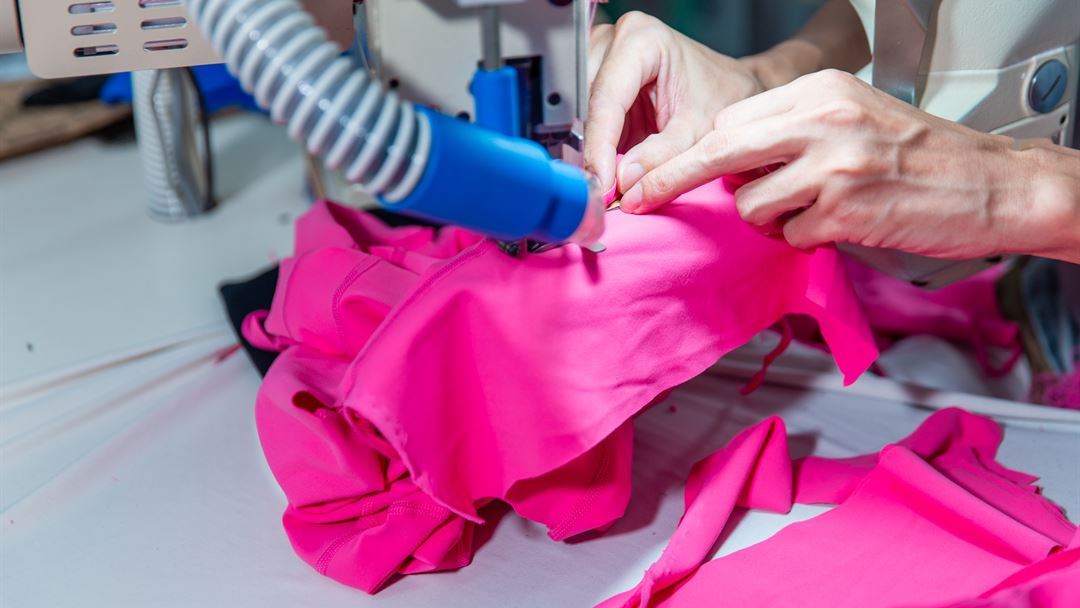
For a wider production-stage view, see how the clothing manufacturing process works.
8. Verify Production Capacity Against Your Order
Capacity is not only about whether a supplier can make a large quantity. It is about whether the factory can accommodate your quantity in the required production window, with the fabric lead time, workmanship complexity and approval schedule your order needs.
Ask for a lead-time breakdown that separates material preparation, sample approval, production and final inspection. If your launch is seasonal or date-sensitive, also ask how the supplier plans production during peak periods. Avoid treating an estimate as a commitment until the specifications and material plan are clear.
9. Evaluate Communication Before You Evaluate the Quote
Good supplier communication should reduce ambiguity before production, not simply respond quickly. Notice whether the manufacturer asks useful questions about fabric, measurements, grading, trims, artwork and packing. Clear questions early often prevent expensive assumptions later.
Also check how revisions are documented. A workable process should make it possible to trace what changed, what was approved and what is still open before the order moves to bulk production.
10. Ask for Evidence Before Committing
Supplier claims become more useful when they are linked to evidence you can review. The table below helps turn broad statements into specific buyer questions.
| Supplier claim | Useful evidence or question |
|---|---|
| “We make loungewear.” | Ask for relevant sample examples and an explanation of comparable construction and fabrics. |
| “We have strict quality control.” | Ask what is inspected, at which stages and how results are recorded. |
| “We are certified.” | Ask for a current, relevant certificate and confirm its scope. |
| “We can produce quickly.” | Request a lead-time breakdown based on your material, quantity and approvals. |
| “We can source custom fabric.” | Ask for composition, weight, swatch options, minimums and development timing. |
| “We offer OEM and ODM.” | Ask for the development workflow and what inputs are required at each stage. |
11. Compare Quotes on the Same Specification
A quote only becomes comparable when each supplier is pricing the same brief. Confirm the fabric composition and weight, colour count, measurements and size range, artwork method, labels, packaging, quantity and quality expectation. If one quote is materially lower, ask which assumptions differ rather than assuming the same product is being priced.
This discipline is especially useful for private label loungewear, where a small difference in fabric, trim, label or packaging can affect both cost and the finished customer experience.
12. Loungewear Manufacturer Checklist Before Requesting a Quote
Use this checklist to prepare a focused comparison among shortlisted manufacturers.
| Check before requesting a quote | Confirmed |
|---|---|
| Relevant loungewear or comparable product capability | □ |
| Fabric direction, composition and hand-feel target | □ |
| MOQ assumptions by style, colour and material | □ |
| Sample process, revision method and expected timing | □ |
| Indicative bulk-production timing and key dependencies | □ |
| Quality-control stages and inspection scope | □ |
| Certification evidence and scope, if relevant to the project | □ |
| Logo, label and other private-label requirements | □ |
| Folding, packaging and shipping-mark expectations | □ |
| Quote assumptions documented in writing | □ |
| Communication contact and process for approvals | □ |
Frequently Asked Questions
How do I find a reliable loungewear manufacturer?
Start with relevant product fit, then verify the supplier’s sampling process, quality-control approach, communication and quote assumptions. Request evidence that connects its claimed capability to the type of loungewear you want to make.
Can a manufacturer develop loungewear from a photo?
A photo can start a discussion, but it leaves many details undefined. Add measurements, fabric direction, logo information, construction notes and a physical reference garment where possible. The less complete the information, the more development work and clarification are usually needed.
What should I prepare before asking for a loungewear quote?
Prepare the style direction, target quantity, colourways, size range, fabric preference, branding, packaging and required timing. A Tech Pack, measurement sheet or reference sample will make the quotation more meaningful.
What MOQ should I expect for custom loungewear?
There is no single standard MOQ. It depends on the style, fabric, colourways, custom material requirements, decoration method and supplier setup. Ask what the MOQ covers and what may create additional minimums.
What should I verify before approving bulk production?
Confirm the approved sample, measurements, grading, fabric, colour, trims, labels, logo placement, packaging, quantity, quality expectation and production schedule. Record any final changes clearly before bulk production starts.
Final Takeaway
Choosing a custom loungewear manufacturer is a fit assessment, not a price-only decision. Define the collection, test category relevance, clarify the development model, compare like-for-like quotes and document approvals before bulk production. If you have a Tech Pack, reference garment or early loungewear concept, you can share the project details with MinCharm to clarify what development information is needed before sampling.