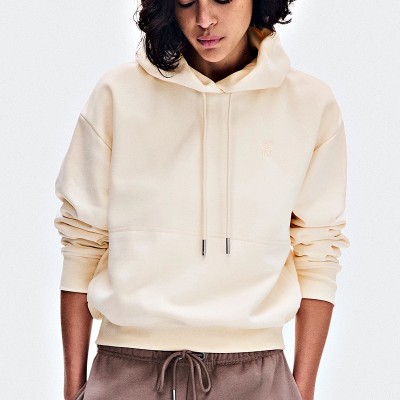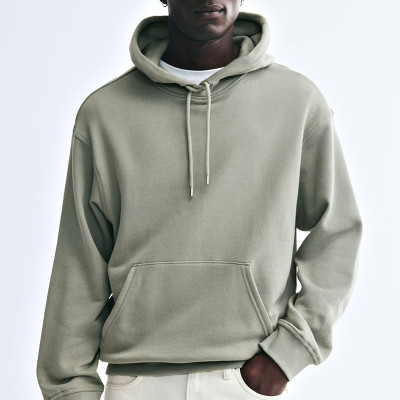
Custom Sweatshirt Manufacturing Guide: What Brands Should Decide Before Sampling
Before sampling a custom sweatshirt, define the intended silhouette, fabric construction and weight, fiber composition, colorways, size range, construction details, decoration method, labels and packaging. Not every technical detail must be final at the first inquiry, but the manufacturer needs enough information to evaluate fabric, fit, development work, MOQ and quotation accurately.
A custom sweatshirt project should not begin with only a logo and a target price. Two sweatshirts can look similar in a reference image and still require very different fabrics, patterns, rib specifications, decoration methods and production processes.
For apparel brands, the useful question is not simply, “Can the factory make sweatshirts?” It is whether the product requirements are clear enough for the manufacturer to understand what needs to be sampled, sourced, priced and eventually reproduced in bulk.
This guide focuses on those decisions before sampling begins.
Start With the Sweatshirt Silhouette
The silhouette is one of the first decisions because it influences the pattern, fabric choice, rib proportions and how the finished garment should sit on the body.
Common design directions may include:
- Regular fit
- Relaxed fit
- Oversized fit
- Boxy fit
- Cropped sweatshirt
- Drop-shoulder construction
- Classic crewneck shape
Terms such as “oversized” or “relaxed” are useful for communicating direction, but they are not complete production specifications.
Two brands may both request an oversized sweatshirt while expecting very different body widths, shoulder drops, sleeve volumes and garment lengths.
Buyer takeaway: Use style words to describe the design direction, then use measurements and a reference sample or Tech Pack to define what that fit actually means.
Choose the Fabric Construction Before Chasing a GSM Number
GSM is important, but fabric construction should usually be considered at the same time.
Sweatshirts are commonly developed in knit fabrics such as French terry or brushed fleece, but the exact material range varies by supplier and product.
French Terry
French terry typically has a smooth outer face with loops on the inside. It can be used for casual, transitional and other sweatshirt programs depending on its composition, weight and finishing.
Brushed Fleece
Brushed fleece has an inside surface that has been mechanically raised to create a softer, fuller feel. It is often considered when the product needs more warmth or a different inside hand feel.
Neither construction is automatically better. The decision should follow the intended product rather than a general quality ranking.
Choose Fabric Weight Together With the Product Goal
GSM means grams per square meter and describes fabric mass per unit area. It is useful for communicating fabric weight, but it is not a complete fabric brief.
A buyer should avoid treating one GSM number as a universal answer for every sweatshirt.
The fabric-weight decision should also consider:
- Target season or climate
- Regular, relaxed or structured silhouette
- French terry, fleece or another construction
- Fiber composition
- Surface and inside finish
- Desired hand feel
- Printing or embroidery requirements
- Wash performance
Practical rule: GSM is a specification, not a complete fabric brief. Two fabrics with the same GSM can produce different sweatshirt silhouettes and hand feels.
Decide the Fiber Composition
Fiber composition affects more than the wording on a fabric specification sheet. It can change hand feel, shrinkage behavior, surface appearance, durability and how the fabric responds to washing and decoration.
Common sweatshirt fabrics may use cotton, polyester or blended constructions. The correct choice depends on the intended product rather than on a simple rule that one fiber is always superior.
For example, a brand prioritizing a particular cotton hand feel may make different decisions from a program focused on dimensional stability, repeat washing or another performance requirement.
If a physical reference garment is important to the project, sending it together with the fabric direction can help the manufacturer understand the intended result more clearly.
Do Not Treat Rib as a Minor Detail
The neckline, cuffs and bottom hem can strongly affect the appearance of a sweatshirt.
Rib specifications may involve:
- Neck rib width
- Cuff width
- Bottom rib height
- Rib composition
- Stretch and recovery
- Color matching
- Tension against the body fabric
Rib that is too loose, too tight or poorly matched to the body fabric can change the neckline, sleeve opening or bottom silhouette even when the sweatshirt body itself is correct.
These details should therefore be evaluated during sample development rather than left until bulk production.
Decide Decoration Before Sampling
Decoration is part of the product specification, not an afterthought.
The intended print, embroidery or other approved decoration method can affect artwork preparation, sample development, costing and how the fabric should be evaluated.
Before sampling, useful decoration information includes:
- Artwork file
- Finished dimensions
- Placement
- Artwork colors
- Decoration method
- Any special surface or finish requirement
The manufacturer should confirm whether the requested decoration method is suitable for the intended fabric and construction before the buyer assumes it will reproduce the same way on every sweatshirt material.
Printing
Print appearance can be affected by fabric surface, stretch, finish, artwork detail and the selected printing method.
A print that performs well on one smooth sweatshirt fabric may need to be evaluated again on a different textured or brushed construction.
Embroidery
Embroidery introduces different considerations such as stitch density, artwork size, fabric stability and backing where relevant.
Larger or denser embroidery can interact differently with the garment than a small chest logo, so the actual design should be reviewed rather than assuming one embroidery setup works for every product.
Specify Decoration Placement With Measurements
Instructions such as “logo on the left chest” or “print in the center” are useful for discussion, but they leave room for different interpretations during production.
Where placement matters, specify details such as:
- Artwork width
- Artwork height
- Distance from neckline
- Distance from center front
- Relationship to seams or pockets
The physical sample should then be used to check whether those measurements create the visual placement the brand intended.
Decide Colorways Early
Color is not only a merchandising decision. It can also affect fabric sourcing, rib matching, trims, decoration and order structure.
A brand planning several custom colors should communicate the intended quantity per color rather than only the total order quantity.
This matters because custom fabric colors or trims may have their own minimum production requirements.
Planning tip: When requesting a quote, provide the quantity by style and color instead of only giving one total order quantity.
Define the Size Range and Base Sample Size
A size range such as S–XXL tells the manufacturer which labels may eventually be needed, but it does not define the fit.
Product development should also establish the base sample size and the measurements used to evaluate it.
Depending on the sweatshirt, useful measurements may include:
- Chest width
- Body length
- Shoulder width or shoulder drop
- Sleeve length
- Sleeve opening
- Bottom opening
- Neck opening
- Rib dimensions
The exact points of measure should match the sweatshirt design. A cropped boxy sweatshirt and a classic regular-fit crewneck should not automatically use the same specification structure.
Labels and Packaging Should Be Part of the Product Brief
Private-label requirements can affect both quotation and production preparation, so they should not be added at the last minute.
Depending on the project, buyers may need to confirm:
- Main brand label
- Size label
- Care and content label
- Hangtag
- Barcode or SKU sticker
- Individual packaging
- Folding method
- Carton requirements
The exact labeling requirements can depend on the destination market, so compliance information should be confirmed for the market where the garment will actually be sold.
What Should Be Reviewed on the Sweatshirt Sample?
The sample is where design decisions become physical. Buyers should evaluate more than whether the sweatshirt “looks good.”
| Review Area | What to Check |
|---|---|
| Fit | Body width, garment length, shoulder shape, sleeve volume and overall balance |
| Fabric | Hand feel, weight, structure, drape and whether the sample fabric represents the intended bulk fabric |
| Neckline | Shape, rib width, attachment and recovery |
| Cuffs & Hem | Rib tension, proportion, opening size and visual balance |
| Construction | Seams, stitching, reinforcement and workmanship |
| Decoration | Artwork size, placement, surface appearance and compatibility with the fabric |
| Color | Body fabric, rib, trims and artwork against the approved color direction |
| Labels | Correct type, size, placement and attachment |
| Wash Behavior | Shrinkage, distortion, rib behavior and surface changes where wash testing is part of the project |
Sweatshirt Sample Review Checklist
What Should You Send for a Custom Sweatshirt Quote?
The manufacturer can give a more useful feasibility review, MOQ and quotation when the project is described clearly.
You do not need to create unnecessary documentation just to request a quote, but try to provide enough information to avoid pricing a different product from the one you actually want.
What Should Brands Know About MOQ?
MOQ should be evaluated against the actual sweatshirt specification rather than treated as a number that exists independently from the product.
Fabric, colorways, decoration, labels and custom trims can all affect how an order is structured.
MinCharm's standard MOQ is 1,000 pieces per style per color. This is MinCharm's production baseline rather than a universal apparel-industry MOQ. The project specification should still be reviewed before quotation because fabric and custom components may create additional requirements.
What Happens After the Sweatshirt Specification Is Ready?
Once the development information is sufficiently clear, the manufacturer can move into sample development.
The first sample gives the buyer a physical opportunity to review fit, fabric, construction, rib, decoration and branding before bulk production is considered.
At MinCharm, sample development typically takes around 7–10 days once the necessary specifications and development conditions are sufficiently confirmed. Actual timing can vary according to fabric availability, product complexity, customization and revision requirements.
Sample timing should not be confused with the entire development calendar. Buyer feedback and additional revisions may add time before the product is approved for production.
Common Custom Sweatshirt Development Mistakes
Final Takeaway
A good custom sweatshirt does not begin with choosing a logo and asking the factory for a unit price.
It begins by aligning the decisions that define the actual product: silhouette, measurements, fabric construction, composition, weight, rib, decoration, colors, sizing, labels and packaging.
Not every detail needs to be completely finalized before the first supplier conversation. What matters is knowing which decisions are already fixed, which still need development and which variables may materially affect sampling, MOQ, quotation or bulk production.
The clearer those inputs become before sampling, the more useful the sample can be as a step toward a repeatable production specification.
Frequently Asked Questions
What fabric works best for custom sweatshirts?
There is no single best sweatshirt fabric for every product. The right choice depends on the intended season, silhouette, hand feel, fiber composition, knit construction, finishing and decoration requirements. Buyers should evaluate actual fabric swatches and samples rather than choosing only by a fabric name or GSM number.
What GSM should I choose for a sweatshirt?
GSM should be selected together with fabric construction, composition, finish and the intended silhouette. A higher GSM is not automatically better, and there is no single universal GSM that fits every sweatshirt program.
What information is needed for a custom sweatshirt quote?
Provide the sweatshirt style, fit direction, Tech Pack or reference, fabric requirements, colors, size range, quantity per color, artwork, decoration method, labels, packaging and target timeline. The clearer the product specification, the easier it is for the manufacturer to assess feasibility, MOQ and quotation.
Should sweatshirt printing or embroidery be checked on the sample?
Where practical, yes. Reviewing the decoration on the intended or representative fabric helps confirm artwork size, placement, surface appearance and how the decoration interacts with the garment before bulk production.
How should sweatshirt print or embroidery placement be specified?
Provide the artwork dimensions and measurable placement references, such as distance from the neckline, garment center or relevant seams. The physical sample should then be reviewed to confirm that the measured placement also creates the intended visual result.