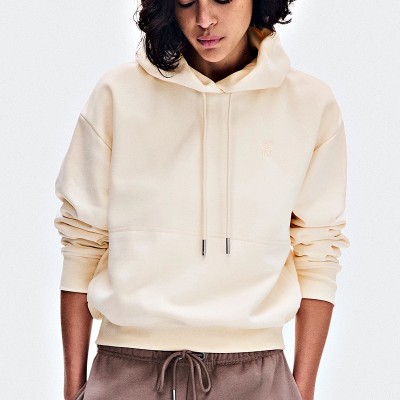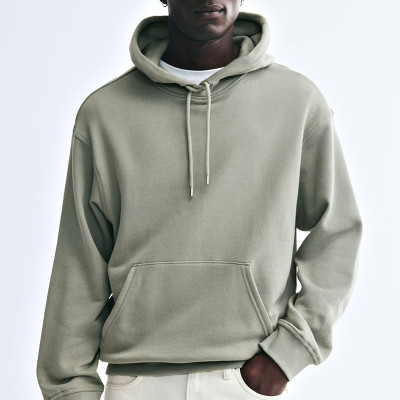
OEM vs ODM Clothing Manufacturing: What's the Difference for Apparel Brands?
APPAREL SOURCING GUIDE
OEM vs ODM Clothing Manufacturing: What’s the Difference for Apparel Brands?
In clothing manufacturing, OEM usually means the buyer brings a more complete product specification or design and the factory manufactures to that brief. ODM involves more manufacturer participation in development, such as helping turn a concept, reference, or incomplete brief into a production-ready garment. The right model depends less on the label and more on how much product-development work is already complete.
Quick answer: Choose an OEM-oriented workflow when your design, measurements, materials, construction details, and approvals are already defined. Consider an ODM-oriented workflow when you have a direction but need support turning it into patterns, samples, and workable production specifications. In either case, confirm the actual scope in writing before sampling begins.
| Area | OEM clothing manufacturing | ODM clothing manufacturing |
|---|---|---|
| Buyer typically provides | A defined design, Tech Pack, approved sample, or detailed specifications | A concept, reference product, target customer, or early brief |
| Manufacturer role | Primarily converts an agreed brief into production | Helps develop the brief as well as manufacture the garment |
| Product control | Usually more buyer-led because more decisions are already set | More collaborative because key development choices are still open |
| Development workload | Heavier on the buyer’s brand or product team | More manufacturer-supported, subject to the agreed service scope |
| Often suitable for | Established products, mature specifications, repeatable styles | Brands that need help moving from idea to sample and production package |
What Is OEM Clothing Manufacturing?
OEM clothing manufacturing is commonly used when the buyer has already made the essential product decisions. The buyer may provide a Tech Pack, measurement chart, approved reference sample, fabric and trim requirements, artwork, labels, packaging instructions, and a quality standard. The manufacturer then reviews the brief, develops or confirms a sample where needed, plans production, and makes the garments to the agreed requirements.
“OEM” does not mean that a factory never gives feedback. A capable apparel manufacturer may flag construction risks, suggest an available material option, or ask for missing information. The practical difference is that the buyer remains responsible for defining the intended product, while the factory’s core task is to manufacture it accurately and consistently.
What Is ODM Clothing Manufacturing?
ODM clothing manufacturing generally describes a more development-supported arrangement. A buyer may start with a mood board, a garment reference, a sketch, a market need, or a product concept rather than a fully finished Tech Pack. The manufacturer may then help with fabric options, pattern development, fit revisions, construction choices, sample development, and the documents needed for bulk production.
ODM is not a single fixed service package. One factory may only adapt an existing block or style; another may offer deeper assistance from concept through sampling. Ask what is included at the outset: which development steps are provided, how many revisions are covered, what information still needs buyer approval, and what happens to any development output after the project.
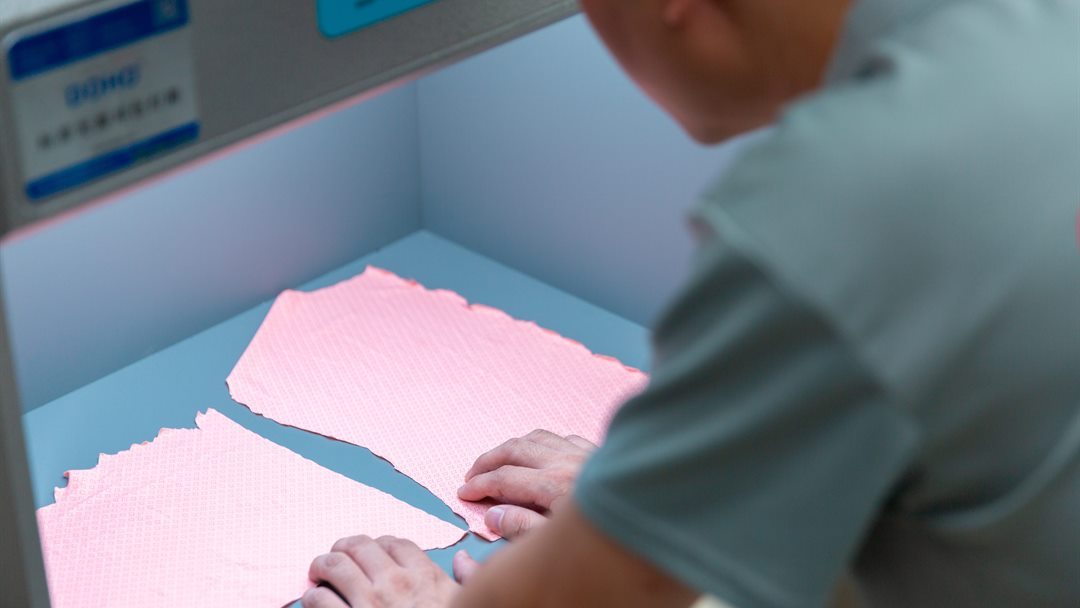
OEM vs ODM: Key Differences That Matter in Apparel
The terms are useful shorthand, but a sourcing decision should be based on the actual division of work. The following areas deserve a direct discussion with any OEM clothing manufacturer or ODM clothing manufacturer.
Product design and Tech Pack
In an OEM workflow, the buyer often supplies a near-complete Tech Pack or equivalent production package. In an ODM workflow, the manufacturer may help turn an early concept into technical drawings, measurements, a bill of materials, and construction notes. A reference garment can be helpful in both cases, but it is not automatically a complete specification.
Sampling, patterns, and fit
OEM projects can still require sampling, especially for a new factory, a new fabric, or a revised construction. The key point is that the buyer usually has clearer direction to validate. ODM projects typically need more development decisions during sampling: pattern shape, ease, garment balance, seam placement, finishing, and material behaviour. Set approval points so that a sample is not mistaken for bulk approval.
Fabric selection and customization
For OEM, buyers may nominate a fabric or provide precise composition, weight, colour, and performance requirements. For ODM, a manufacturer may present feasible fabric directions based on the intended use and target look. Either way, confirm the final material against an approved swatch or sample, rather than relying only on a screen image or a generic fabric name.
Lead time and cost structure
More development work can add time before bulk production because decisions, materials, patterns, and samples must be confirmed. It may also create development, sampling, tooling, or material costs that are separate from the bulk unit price. A finished OEM brief can reduce uncertainty, but it does not eliminate sample lead time, material lead time, or production scheduling. Ask for a project timeline with assumptions instead of treating either label as a promise of faster delivery.
IP, ownership, and confidentiality
Do not assume that ownership follows the words “OEM” or “ODM.” Artwork, buyer-provided Tech Packs, newly created patterns, fit blocks, samples, tooling, and exclusivity may each be treated differently. Confirm in the contract who owns or may use each item, whether the factory can use it for other customers, how confidentiality is handled, and what happens if the project does not proceed to bulk production.
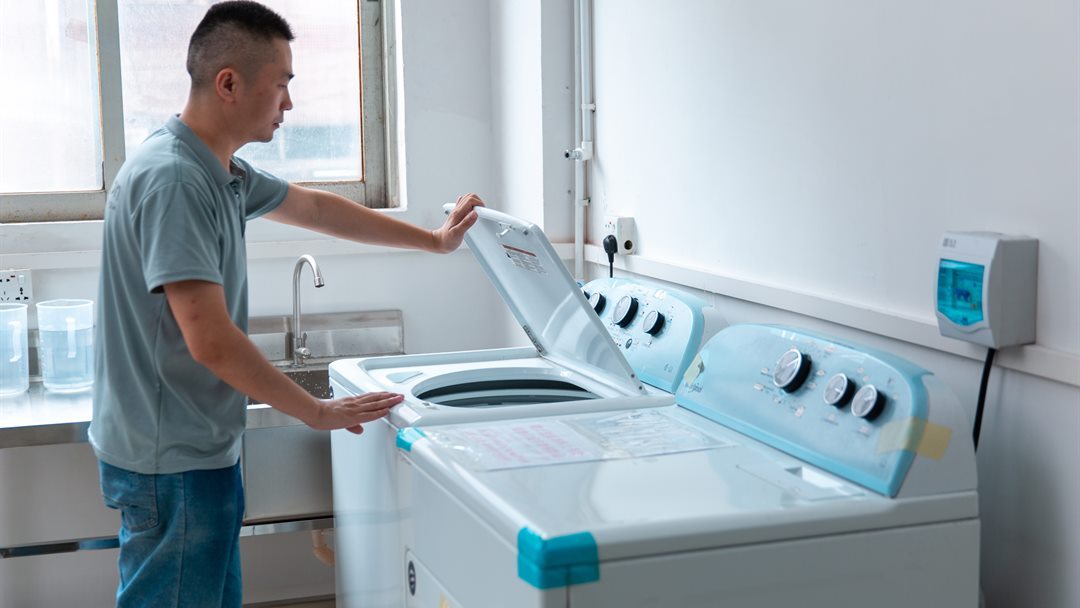
When Should an Apparel Brand Choose OEM?
An OEM model is often a strong fit when your team has already completed the product-development work and needs a manufacturer that can execute it. Consider this route if you have:
- a complete or nearly complete clothing Tech Pack;
- an approved physical sample or a proven existing style;
- clear measurements, grade rules, construction details, and tolerances;
- defined fabric, trims, logo, labels, packaging, and quality requirements; and
- people on your side who can review samples and approve production decisions promptly.
OEM does not mean “send a file and disappear.” The buyer’s timely feedback on samples, lab dips, artwork, and pre-production details is still essential to keep the process moving.
When Should a Brand Consider ODM?
ODM can be more appropriate when a brand knows the commercial direction but does not yet have every technical detail. It can suit a project where you have a concept, reference garment, target silhouette, or desired fabric feeling but need help translating it into a workable product.
Before choosing this route, ask whether the manufacturer’s development experience matches your product category. Also agree on the creative boundaries: which features are fixed by the buyer, where the manufacturer may recommend alternatives, and when the buyer gives final approval. Development support is most effective when the brief is collaborative but not vague.
Is Private Label the Same as OEM or ODM?
Not exactly. Private label clothing manufacturing describes the branding and route to market: products are sold under the buyer’s own brand. OEM and ODM describe how product development and manufacturing responsibilities are allocated. A private-label program may use OEM, ODM, or a mixture of both.
For example, a brand might choose an existing base style, request its own labels and packaging, and make limited changes. Another brand might use a manufacturer’s development support to create a new style before applying its own branding. The right description depends on the real project scope, not on a marketing label alone.
What to Prepare Before Contacting a Manufacturer
A better first inquiry makes it easier for a manufacturer to advise whether your project is more OEM-led or needs ODM support. Share what you have, and be clear about what is still undecided.
Questions to Ask an OEM or ODM Clothing Manufacturer
- Based on our current materials, which development tasks do you expect the buyer to provide and which can you support?
- What information is still missing before you can quote or begin sampling?
- How will you handle fabric, trim, pattern, fit, and sample approvals?
- Which product details may affect minimums, lead time, or cost?
- What quality checkpoints apply before and during bulk production?
- What documentation will be used as the final bulk-production reference?
- How are development charges, sample revisions, IP, confidentiality, and ownership addressed in the agreement?
These questions help buyers compare factories by working method, rather than only by the first quotation. A clear answer also exposes whether a factory understands the product category and can communicate the limits of its service.
OEM or ODM: Which Model Fits Your Brand?
Choose an OEM-led approach when: you want the factory to manufacture a product you have already specified and can approve with confidence.
Consider an ODM-supported approach when: you have a commercial product direction but need help resolving the technical and sampling work required before production.
Use a hybrid approach when: some elements are fixed—such as the silhouette, logo, or target fabric—while other elements still need manufacturer input. The agreement should state where that support begins and ends.
Final Takeaway
OEM vs ODM clothing is not a choice between “better” and “worse.” It is a choice about readiness, control, resources, and the development support your product needs. The most useful next step is to list what is already approved, identify what is still open, and ask a manufacturer to define the development and production scope before sampling starts.
If you already have a Tech Pack, physical sample, or product concept, contact MinCharm to discuss how much development support your project requires before sampling begins.