Home / All / Product Development & Sampling / Which sewing and construction details can affect sleepwear comfort?

Which sewing and construction details can affect sleepwear comfort?

Update Time:2026/9/14

Sleepwear construction and comfort

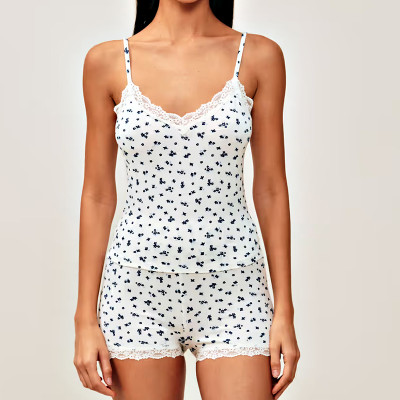
Sleepwear comfort can be affected by sewing and construction details that touch the body, create pressure, restrict movement, or add unnecessary bulk. During sampling, brands should review seam placement and bulk, seam allowance direction and edge finishing, waistband construction and elastic tension, neckline and armhole finishes, sleeve and cuff openings, hems, closures, labels, piping, lace, and other trim placement.

The appropriate construction depends on the garment design and selected fabric, so these details should be assessed together on the physical sample rather than judged from the fabric alone.

Construction details to review

Seams and intersections

Review seam position, seam allowance direction, edge finishing, and bulk at the shoulders, underarms, side seams, crotch seams, and other high-contact areas. Thick intersections or exposed internal edges may create pressure or rubbing points.

Waistbands and elastic

Check waistband width, casing construction, elastic tension and recovery, drawcord channels, and bulky joins. The waistband should support the intended fit without creating excessive pressure for the target wearer.

Necklines and finished openings

Inspect neckline, armhole, cuff, and hem finishes, including bindings, turnbacks, piping, or lace. These areas should lie as intended and should not create rigid, tight, or rough contact edges.

Closures, labels, and trims

Review buttons, snaps, zippers, plackets, label placement, embroidery backing, and decorative components for internal contact, rigidity, weight, and placement. Appropriate finishing may vary by trim and fabric.

How to evaluate the physical sample

1

Inspect inside and outside

Identify seam intersections, exposed edges, closure backs, labels, and trim attachments that may contact the wearer.

2

Evaluate the intended use

Review the garment in the intended sample size and note any pressure, rubbing, stiffness, or excess bulk during fitting where appropriate.

3

Record required changes

State the exact location, observed issue, and requested construction adjustment instead of using only a general comment such as “make it more comfortable.”

Comfort approval needs a defined reference

Because comfort is subjective, sample approval should reflect the intended wearer, target sizing, selected fabric, garment design, and use requirements rather than a universal comfort claim. For MinCharm projects, approved construction changes should be recorded in the final written specifications before bulk production.

Discuss Your Sleepwear Construction