Closures
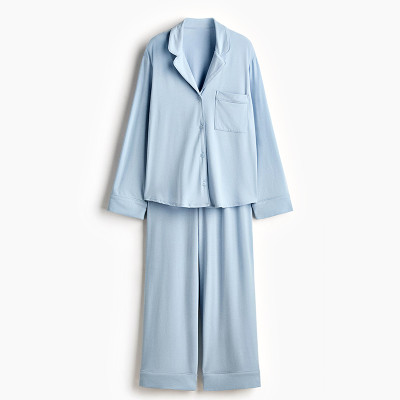
Buttons, snaps, zippers, hooks, and related components may be used where the garment needs an opening or adjustable closure. Size, finish, attachment, and contact with the wearer should be reviewed.

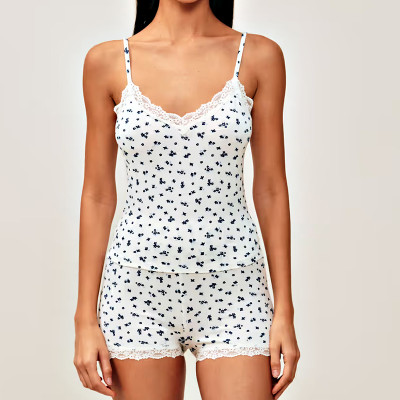
Brands should specify the functional, decorative, and branding trims required by each sleepwear style before sampling. Depending on the design, these may include buttons, snaps or other closures, elastic, drawcords, piping, binding, lace, bows, strap adjusters, main labels, size labels, and care labels.
Not every sleepwear product needs every trim. Each item should support the garment's function, comfort, appearance, target market, and intended care requirements.
Buttons, snaps, zippers, hooks, and related components may be used where the garment needs an opening or adjustable closure. Size, finish, attachment, and contact with the wearer should be reviewed.
Elastic, drawcords, sliders, and adjusters can affect fit and function. Confirm width, tension or recovery, length, end finish, placement, and compatibility with the garment construction.
Piping, binding, lace, bows, and similar details should be reviewed for width, pattern, color, hand feel, placement, attachment method, and how they behave with the selected fabric.
Main labels, size labels, care labels, and other identification trims require confirmed artwork, dimensions, material, color, wording, placement, and target-market content supplied by the buyer.
Record separate requirements for pajama tops, bottoms, sleep shirts, nightgowns, or robes in the tech pack or bill of materials.
Check supplier availability, trim MOQ, lead time, color options, customization requirements, and compatibility with the selected fabric and construction.
Review applicable trim samples, artwork, colors, and the completed garment sample before approving the final selection.
Record the approved trim details and references in the final production specifications before bulk materials are prepared.
Some customized trims have their own supplier MOQ, tooling, artwork, or lead-time requirements that may differ from the garment order quantity. MinCharm can review available options during development. If the requested trim is not workable for the confirmed quantity or schedule, an alternative should be presented and approved before bulk production; approved trims should not be substituted without buyer confirmation.
Discuss Your Sleepwear Trims